Cogongrass's Fall Window: Getting the Most Out of Every Application
Brewer International Technical Team
Product Development & Agronomy
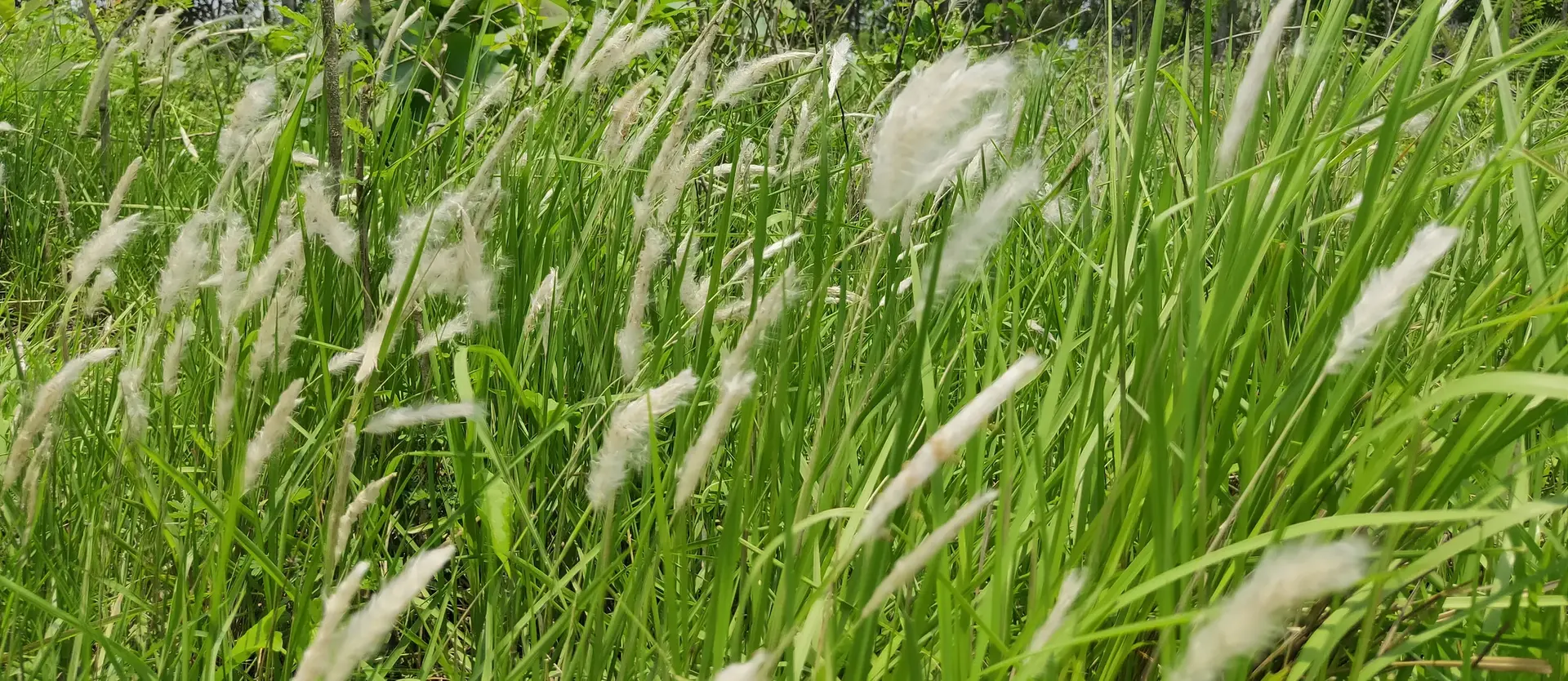
Every fall, land managers, foresters, and utility crews across the Southeast run into the same problem: cogongrass. It's a federal and Florida noxious weed that forms dense, circular patches, crowding out pine seedlings, native groundcover, and forage.
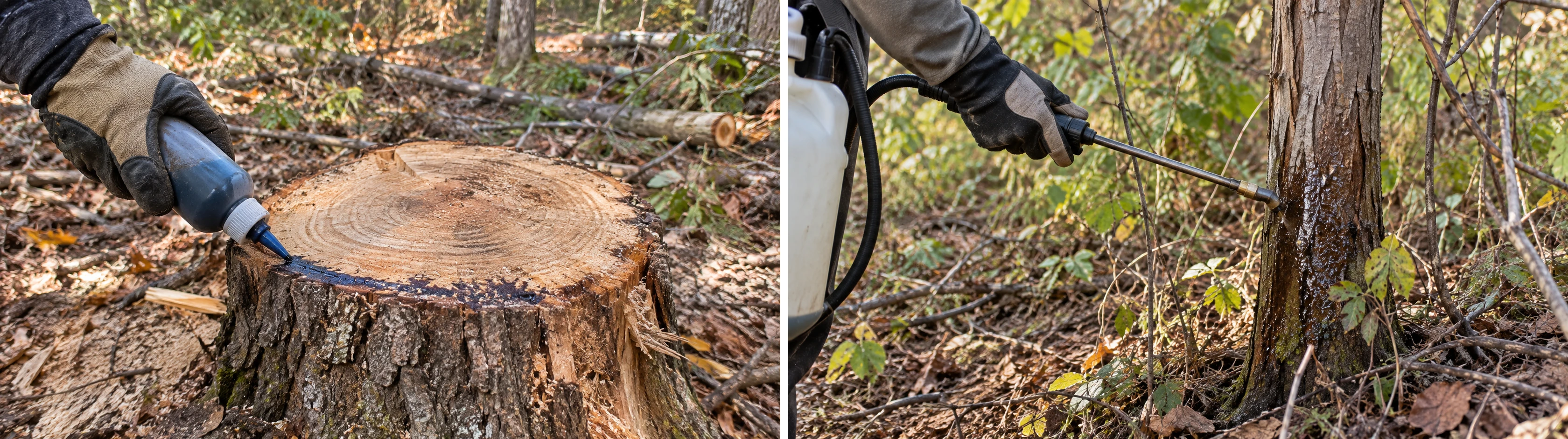
There's no selective herbicide for it, and its rhizomes shrug off a single treatment, so every application has to count. Last month we covered the switch from foliar to cut-stump and basal work on woody brush. Cogongrass is different: it's still a foliar job, and fall is when that foliar pass counts most. How you build the tank mix decides whether it sets the patch back or just browns the tops.
Why Fall, and What One Pass Can Do
UF/IFAS identifies late September through October as the best time of year to treat cogongrass. Fall applications are generally more effective than those made at other times, and a fall treatment works especially well at keeping patches from flowering the following spring. That matters, because a single plant can produce up to 3,000 seeds in a season.
Set expectations honestly, though. A single application of glyphosate or imazapyr rarely, if ever, eliminates the entire rhizome layer. Treat this fall's pass as the first half of a program: a fall application followed by a spring treatment of the regrowth, repeated until no cogongrass remains.
Read the Stand Before You Mix
No adjuvant can rescue an application made to the wrong tissue. Two checks come first:
- Green leaf area. Leaves should be green and at least 12 inches tall at application. This matters most with glyphosate, which needs enough living leaf surface to absorb a lethal dose. If a patch was mowed or burned, let it regrow to that height before spraying.
- Drought stress. Applications to stressed plants are generally less effective than applications to actively growing ones, and fall is often dry across the Southeast. If the stand is visibly drought-stressed, wait for rain and fresh growth when the calendar allows.
Cogongrass's tough, silica-rich leaves are hard to wet and penetrate. That is where adjuvant selection earns its keep.
Match the Adjuvant to the Herbicide
Glyphosate and imazapyr are the only two herbicides that reliably control cogongrass. They have no antagonism and are often tank mixed. But they call for different adjuvant strategies, and the herbicide formulation decides which applies.
Glyphosate: condition the water, then add a surfactant. Glyphosate efficacy generally improves when both a water conditioner and a surfactant are in the spray solution. For cogongrass, add a liquid ammonium sulfate to the tank before the herbicide, then a nonionic surfactant after it. AMS-Brew is Brewer's premium ammonium sulfate conditioner for binding hard water ions and improving uptake. For the surfactant, Cide-Kick is a 100% active nonionic penetrant and wetting agent used across forestry, rights-of-way, and land management. Where foam slows tank filling, Line-Up is a low-foam nonionic spreader. One caution: some glyphosate products already contain surfactant and don't need more. Check before you add.
Imazapyr: NIS or MSO, depending on formulation. Imazapyr typically calls for a nonionic surfactant at 0.25% v/v or a methylated seed oil at 1% v/v, depending on the formulation. When the label allows an MSO, Sun Wet, a 100% active blend of methylated seed oil and emulsifiers, helps penetrate tough, waxy leaf surfaces like cogongrass's. Our MSO guide covers how seed oils work in more depth.
- Glyphosate — AMS water conditioner plus NIS (skip the NIS if the product is pre-loaded): AMS-Brew, Cide-Kick, Line-Up
- Imazapyr — NIS at 0.25% v/v or MSO at 1% v/v, per formulation: Cide-Kick, Sun Wet
Hard or mineral-heavy water undermines glyphosate in particular. If you haven't tested your fill water, our water quality guide walks through what to look for.
Two Sites That Change the Mix
Near water. Cogongrass often edges ditches, canal banks, and pond margins. Avoid any glyphosate product not labeled for aquatic use in these areas, because its built-in surfactant is toxic to aquatic organisms. Use an aquatic-labeled glyphosate and pair it with a surfactant whose label permits aquatic sites, such as products in Brewer's aquatics line.
In pine stands. Loblolly and many other pines tolerate imazapyr, which makes it a common choice in plantations. Alabama Extension cautions that longleaf pine does not tolerate the imazapyr rates cogongrass requires. In longleaf, glyphosate is the safer option, and adjuvant choice should follow the glyphosate approach above.
Beyond the Tank
- Spray past the edge. Rhizomes extend roughly three feet beyond the visible patch. Treat a buffer around the perimeter, not just the green you can see.
- Clean your equipment. Cogongrass spreads on mowers, dozers, and tires carrying rhizome fragments. Clean all equipment before leaving an infested site, especially on rights-of-way where crews move between corridors.
- Schedule the spring pass now. Mark this fall's treated patches and plan to return when regrowth reaches adequate leaf area in spring. Programs that repeat the fall-spring cycle are the ones that finish the job.
The Bottom Line
Cogongrass control is measured in seasons, not single sprays, so the goal this fall is to make one application do as much damage as possible. Spray green, actively growing leaves. Choose your adjuvant by herbicide and formulation. Respect water and longleaf. Then come back in spring.
Always read and follow the herbicide label. Label directions supersede any guidance in this article.