
101 guidesMarch 18, 2026
Spring Start‑Up for Aquatic Weed Control
Brewer International Technical Team
Product Development & Agronomy
How Water Quality and Adjuvant Choice Determine Herbicide Performance
For many aquatic applicators, spring marks the transition from monitoring to action. As water temperatures rise and daylight increases, aquatic weeds move rapidly from dormancy into active growth. This early‑season window offers one of the best opportunities of the year for effective control—but it is also when inconsistent performance often shows up. In many cases, the issue is not the herbicide or the rate. It is what happens in the spray tank and at the leaf surface.
Spring applications behave differently than mid‑summer treatments, and understanding how water quality and adjuvant selection influence herbicide performance can help applicators achieve more consistent, first‑pass control.
Why Spring Applications Are Different
Early in the season, aquatic plants are undergoing rapid physiological change. Many species shift from overwintering structures or low metabolic activity into aggressive vegetative growth. Younger tissue generally absorbs herbicides more efficiently, particularly systemic chemistries, but uptake and translocation are still influenced by environmental conditions.
Water temperature is one of the most important factors. Cooler water can slow plant metabolism and delay symptom development, while warming conditions accelerate growth and uptake. At the same time, spring weather patterns often bring fluctuating winds, rainfall, and sediment movement, all of which can affect spray solution performance and deposition.
The takeaway is simple: spring offers excellent control potential, but only when application variables are optimized. Small issues with spray water, coverage, or droplet behavior can make the difference between clean control and a costly retreatment.
Three Common Causes of Early‑Season Performance Issues
1. Hard Water Antagonism
Many applicators rely on well water or surface sources with elevated calcium and magnesium levels. These divalent cations can interfere with certain herbicide formulations, reducing availability and uptake. The result is often uneven control, slow symptom development, or partial suppression.
Hard water issues frequently go unnoticed because they do not cause outright failure—just reduced performance. Conditioning the spray solution before adding herbicide can help minimize antagonism and improve consistency, especially during early applications when conditions are already marginal.
2. High Turbidity and Suspended Sediment
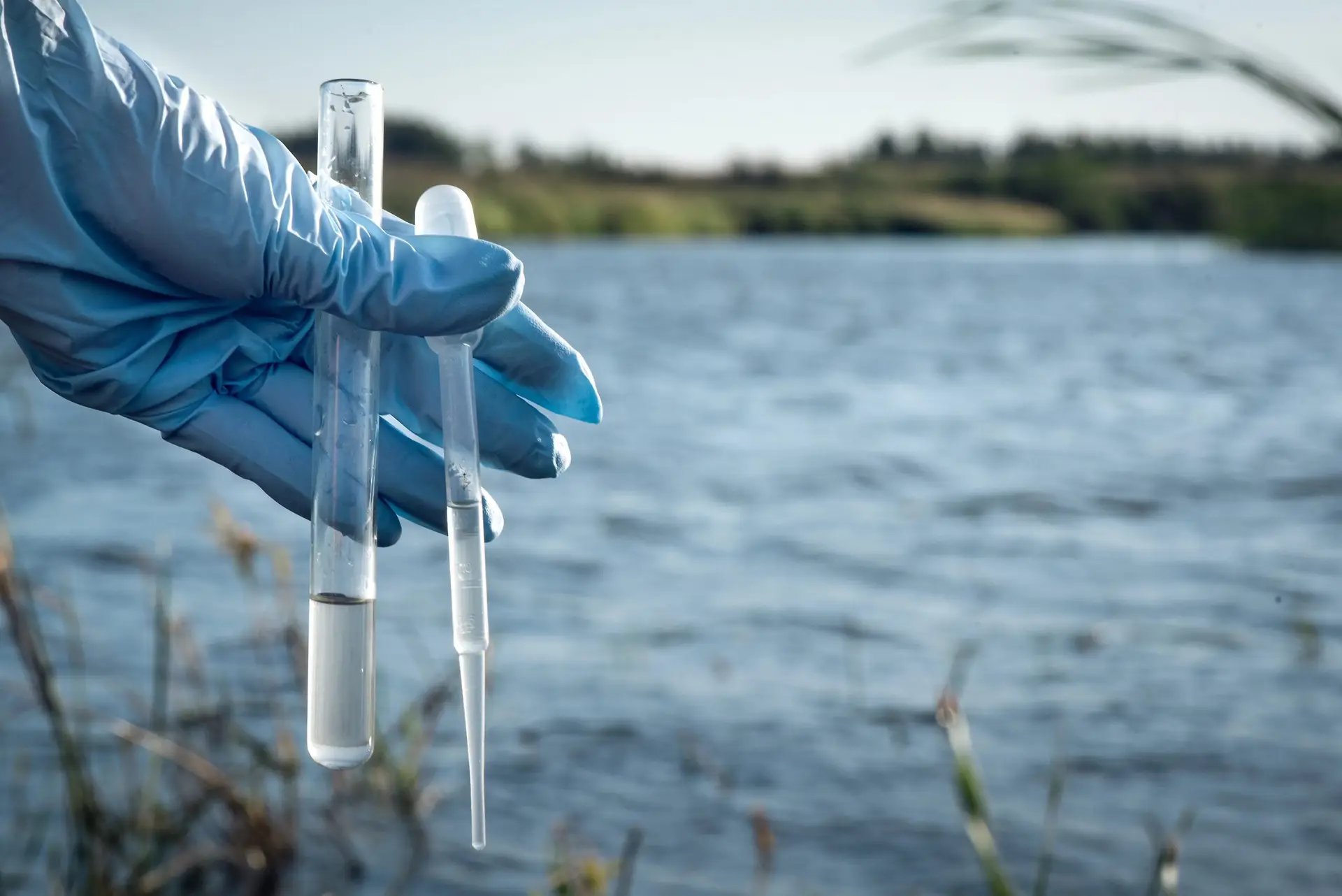
Spring rainfall, wind events, and runoff can increase turbidity in ponds, canals, and lakes. Suspended sediment may bind certain herbicides, reducing their bioavailability. Turbidity can also alter plant growth patterns by reducing light penetration, which affects how plants respond to treatment.
From an application standpoint, muddy water can complicate foliar treatments by increasing splash, bounce, or wash‑off from target surfaces. Timing applications during calmer conditions and focusing on droplet deposition can help mitigate these issues.
3. Poor Coverage on Waxy or Floating Leaves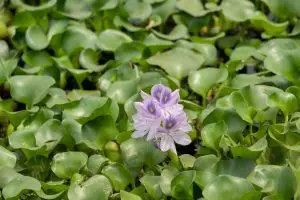
Many problematic aquatic weeds—such as water hyacinth, frog’s bit, or primrose willow—have hydrophobic leaf surfaces designed to repel water. Without the right adjuvant, spray droplets may bead and roll off instead of spreading and sticking.
In spring, when plants are producing new leaves, surface characteristics can change quickly. Matching adjuvant function to leaf type is critical for achieving uniform coverage and improving herbicide uptake.
Matching Adjuvant Function to the Application
Rather than selecting adjuvants out of habit, spring is a good time to reassess what function is actually needed. Different challenges require different solutions.
- For coverage on floating or emergent foliage:
Focus on adjuvants that improve spreading and wetting, helping droplets remain on the leaf surface instead of rolling off. - For cuticle penetration and uptake:
Consider adjuvants designed to enhance penetration, particularly when targeting species with thick or waxy cuticles. - For spray mix reliability:
Water conditioning and compatibility agents can help stabilize the tank mix, improve mixing order, and reduce antagonism from hard water. - For applications near sensitive areas:
Droplet optimization and drift management are essential, supported by proper nozzle selection and adjuvant choice consistent with the herbicide label.
Always follow herbicide labels regarding approved adjuvants, rates, and use sites. The label remains the final authority.
A Practical Spring Pre‑Spray Checklist
Before the first aquatic treatment of the season, a few proactive checks can prevent problems later:
- Know your water source. Identify whether you are using well water, surface water, or a mix, and anticipate hardness issues.
- Evaluate turbidity. Recent rainfall or wind may warrant delaying treatment or adjusting expectations.
- Confirm target growth stage. Early, actively growing plants are ideal, but coverage still matters.
- Calibrate equipment. Nozzles, pressure, and spray height/distance all influence droplet size and deposition.
- Select adjuvants by function. Choose based on coverage, penetration, or conditioning needs—not routine.
- Plan for resistance management. Rotate modes of action when possible and avoid repeated low‑dose exposure.
- Document conditions and outcomes. Tracking water quality, weather, and results helps refine future applications.
Resistance Stewardship Starts in Spring
Although resistance discussions often focus on terrestrial systems, aquatic weed management is not immune. Repeated use of the same mode of action herbicides, especially under suboptimal conditions, can shift species composition or select for tolerant populations.
Early‑season control plays a key role in stewardship. Treating weeds before they reach peak biomass reduces the need for multiple applications and helps ensure herbicides are used under conditions that favor full activity. Optimizing spray solution performance supports both efficacy and long‑term sustainability.
Summary
Spring aquatic weed control is decided by details that are easy to overlook. Water quality, droplet behavior, and adjuvant function all influence whether an herbicide performs as intended once it leaves the tank. By addressing these factors early in the season, applicators can improve consistency, reduce callbacks, and make every application more effective.
Brewer International supports aquatic applicators by focusing on spray solution performance and adjuvant science—helping ensure that the herbicides you select can do the job they are designed to do, even under challenging spring conditions.