Limonene in Weed Control: A Natural Eco-Friendly Solution
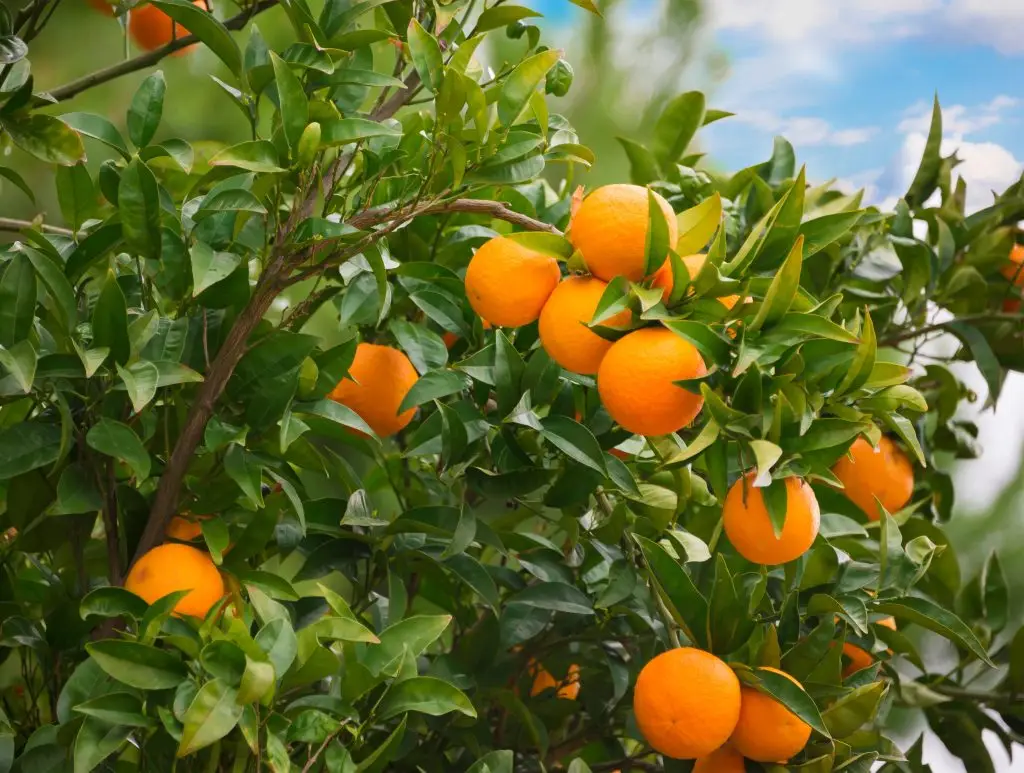
Pesticides are applied intentionally to the environment by people for the purpose of improving environmental quality for humans, domesticated animals, and plants. Despite the fears and real problems they create, pesticides are partly responsible for the physical well-being enjoyed by most people all over the world. In particular, pesticides are credited for making an important […]
Everything You Need to Know About Wetting Agents
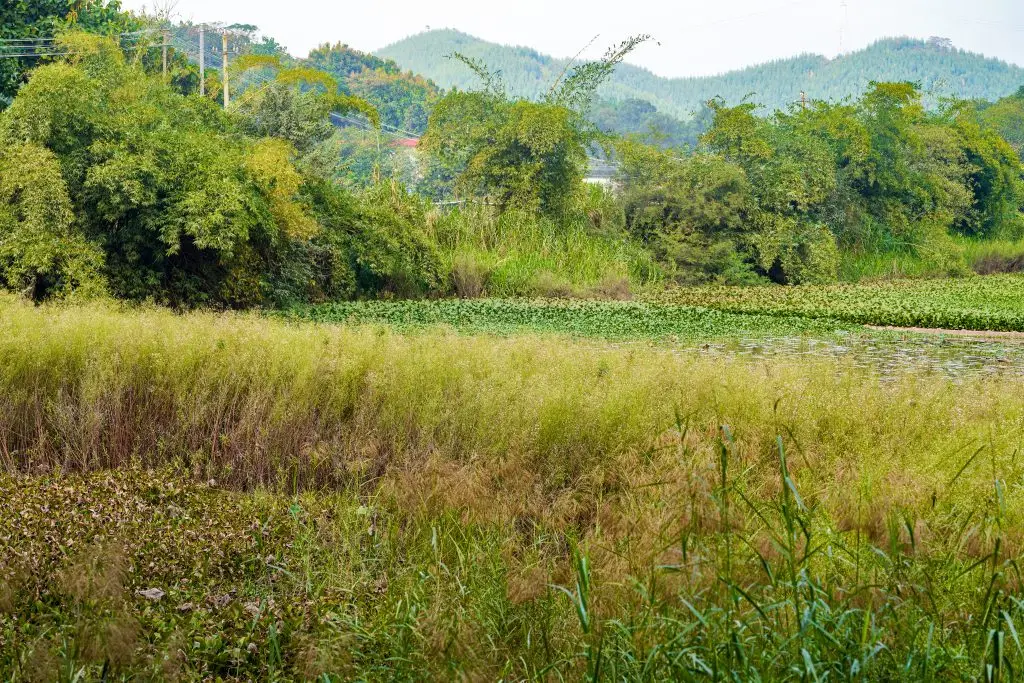
When you need to control unwanted weeds using herbicide, your major concern is going to be making sure that the herbicide works properly. If the herbicide is to be effective, the unwanted plants need to be appropriately wet. Therefore, you most likely are going to include a wetting agent in your herbicide spray mixture. […]
Postemergence Spraying and Tips for Application

Weed control is a routine task undertaken by almost everyone who manages land where plants are growing. From the homeowner who battles weeds in a lawn, a farmer who must control weeds in crops, to land and water managers who must confront a variety of vegetation management scenarios. To all of these individuals, postemergence spraying […]
The ABCs of Tank Mixing Pesticides
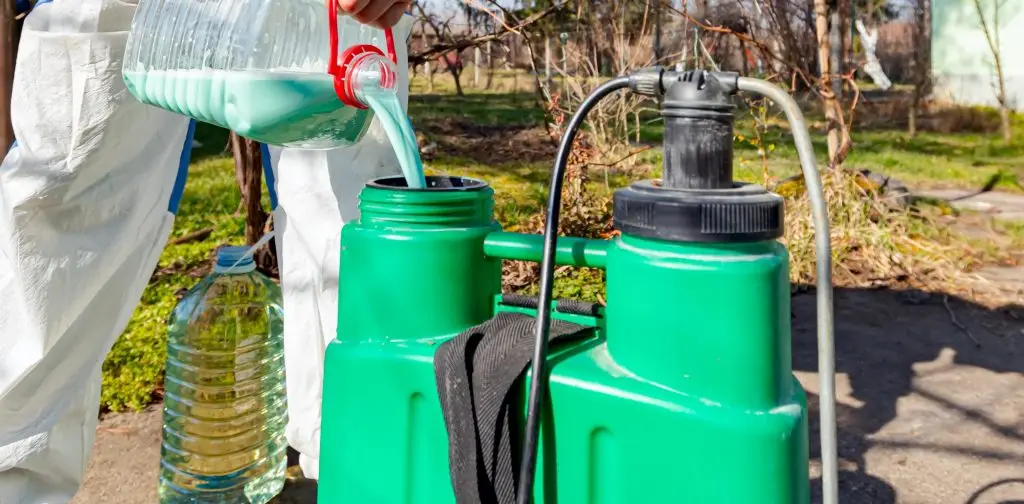
A common practice in the chemical control of weeds is tank mixing pesticides and other agrichemicals such as adjuvants, fertilizers, biostimulants, and plant growth regulators. Promoted as an efficient way to apply inputs to weeds, tank mixing is a routine procedure for most farmers. Reasons for tank mixing pesticides with other agrochemicals Despite the many […]
JLB Oil Plus Improved: Combating Problematic Woody Plant Species

Two types of woody plant species have become problematic in many habitats across the United States. These include invasive non-native and native woody plants both of which need to be managed to prevent their establishment and proliferation in the habitats they have become problematic. What are invasive species and why should I care about them? […]
How Does Water Quality Affect Pesticide Effectiveness?

When the application of a pesticide fails to deliver the desired control of a pest, the immediate thoughts are that something is wrong with the pesticide or there is pesticide resistance. However, the cause may be due to a different reason, water quality. Water is the most common ingredient in pesticide applications. Water is an […]
Protecting Forests from Invasive Plants

Forests occupy one-third of our land area and play an important part in sustaining life on earth. Forests and their ecosystems help stabilize climate, regulate the water cycle, and provide food and shelter for thousands of life forms. All these benefits are collectively referred to as ecosystem services for which the forest understory is important. […]
Understanding Herbicide Applications in Fall and Winter Months: Timing, Benefits, and Considerations

Herbicide application for aquatic weeds in fall and winter is generally not recommended due to low effectiveness and potential risks. However, applying herbicides for land management during the fall and winter months can be an effective strategy for managing weeds, particularly perennials, biennials and winter annual species. Perennial weeds are plants that live for multiple […]
Tackling the Spread and Consequences of Invasive Aquatic Weeds

Invasive aquatic plants are generally defined as non-native species from other regions or countries that cause ecological or economic harm to natural or managed ecosystems. Invasive plants disrupt ecosystems by inhibiting native plant growth and interfering with human activities like boating and fishing. They form thick surface canopies that block sunlight, alter water flow, and […]
Understanding Emulsifiable Concentrate Herbicides: What They Are and How They Work

Figure showing before, during and after addition and mixing of an EC formulation to water In agriculture, aquatics, and land management, applying herbicides efficiently and safely is essential for managing unwanted vegetation. Pesticide chemicals, which serve as the active ingredients (a.i.), are not suitable for weed control in their raw or unformulated state due to […]